Proposal

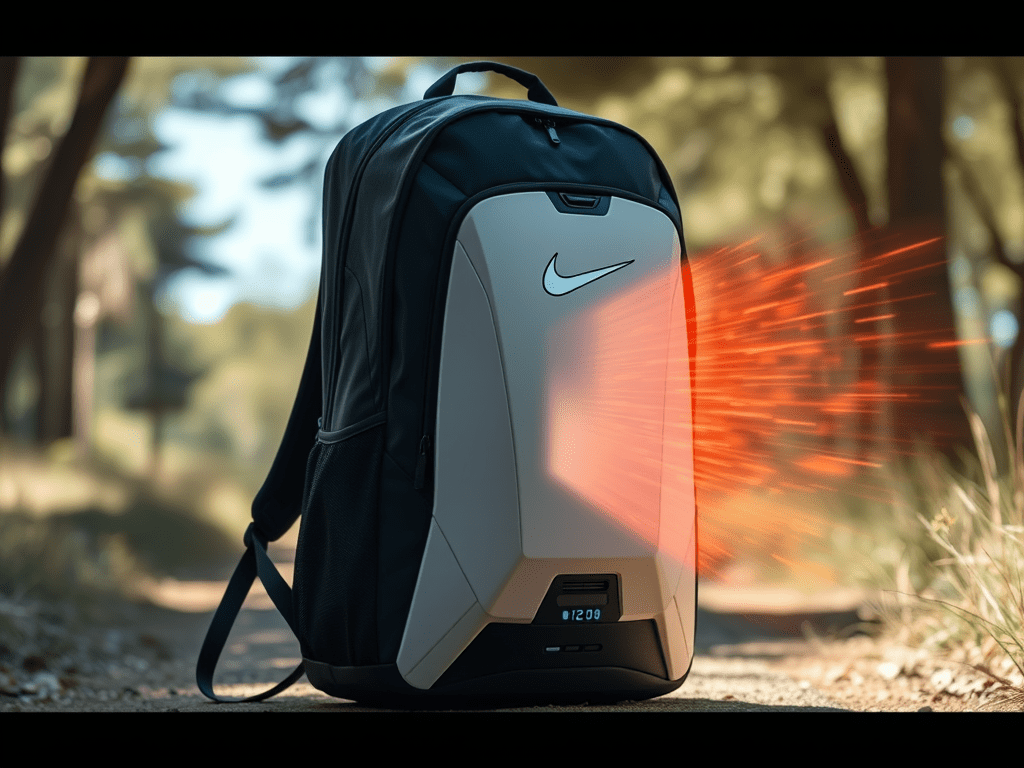
My market research helps supprt Nike’s objective because it will help them stand out from competing brands, like Adidas, Puma, and Lululemon. Based on my market research, the only similar backpacks I found either had an air conditioner, fan, or a heater. Also, the backpacks that did have those features didn’t have a brand name.
Also, my market research helps Nike evaluate the benefits and risks of implimnenting my product. Since many consumers are split between saving money and sustainability, it will be imporant for Nike to consider how they can balance the needs of consumers and the planet, while reaching for a profit. Since consumers are becoming more attracted to brands that are cheaper, I decided to add payment plans for consumers that might not be able to afford my product. This allows Nike to better get its target market to make a purchase, while attracting other potential markets.
trends

One trend that I evaluated is buy now, Pay later. Based on my research, consumers are going to increasingly rely on BNPL assistance for big purcahses that they can’t afford out of pocket. However, relying on BNPL methods put’s me at risk of losing revenue because the average default rate for BNPL loans are 40%.
Another trend that I’m considering is revenge spending, which is when consumers will spend money on expensive and luxorious items after a period of financial hardship. Since many of my consumers are concerned with inflation and rising prices, flexible payment plans, exclusive features, and rare mineral being added to my product will make it more attractive when during periods of financial growth.
The final trend that I evaluated is called flex. This is when consmers show off their financial success with money or possessions on social media to impress others. Since my target market is concerned about the cost of living and inflation, they are very likely to particpate in this trend.
Legal, Ethical, and Industry Standards

My marketing strategy aigns with legal standards because it includes the requirements for mining and using copper. I understand that it anyone bending the copper needs to have specialized skills because of federal regulations. I also understand that I will need to obtain licenses and certifications to meet some state requirements. OSHA also limits how much copper exposer is allowed.
Ethical guidelines are being considered in my practices because I’m hiring temporary workers outside of my company to reduce safety risks. Since I have to pass on various expenses over to the consumer, I am allowing them to make flexible payments, so they don’t have the product without breaking the bank.
Industry standards are being met because I am hiring specialized workers to make the copper, and heating and cooling features. This will ensure that less risks are being taken for making the hot & cold backpack. Making the product a limited-time offer helps me meet industry standards because of the expenses for hiring the specialized staff, copper mining, licensing fees, and the extra parts needed for this product. This also ensures that I’m honoring environmental ethics by minimizing the amount of pollution and waste.
Limitations

The first limitation that I encountered for my product was that it poses ethical and safety concerns. Since copper is a rare mineral, and mining it can cause pollution, consumers might be concerned about the long-term impact of my product.
The second limitation that I encountered for my product is that using copper would require me to hire a third-party with experience mining and reshaping copper. This would also be an added cost that would need to be consider for my pricing strategy. Also, tariffs makes it more complicated to get copper from other countries that I would need for my product.
One limitation that is influenced by the gap in my market research is defining who is considered a US traveler. Even with my requirements for participating in research, a US traveler who is pursuing further education is still a broad demographic.
The other gap in my market reseach is that I didn’t define who is considered a Nike fan. Some of the partcipants could think a Nike fan is someone who supports the business, but doesn’t plan on purchasing any products. On the other hand, a Nike fan could viewed as someone who wears Nike products, but isn’t a loyal customer.
 Crescent Freelancing
Leave a comment